Owning a car doesn’t mean you need to be a mechanical wizard to take good care of it. There are several simple maintenance tasks you can perform on your own without the need for specialized tools or skills. While skilled mechanics are essential for more complicated repairs, there are some DIY tasks that any vehicle owner can handle. Doing these yourself can save you money and ensure that your car stays in top condition year-round. Plus, when you use MyRide901 to log these DIY service events, you’ll be giving your mechanic a complete picture of all the work that’s been done on your vehicle, helping them provide better service when you do take it into the shop. Here are a few maintenance tasks that you can easily do on your own, even if you have no technical knowledge:
1. Check and Change Engine Oil
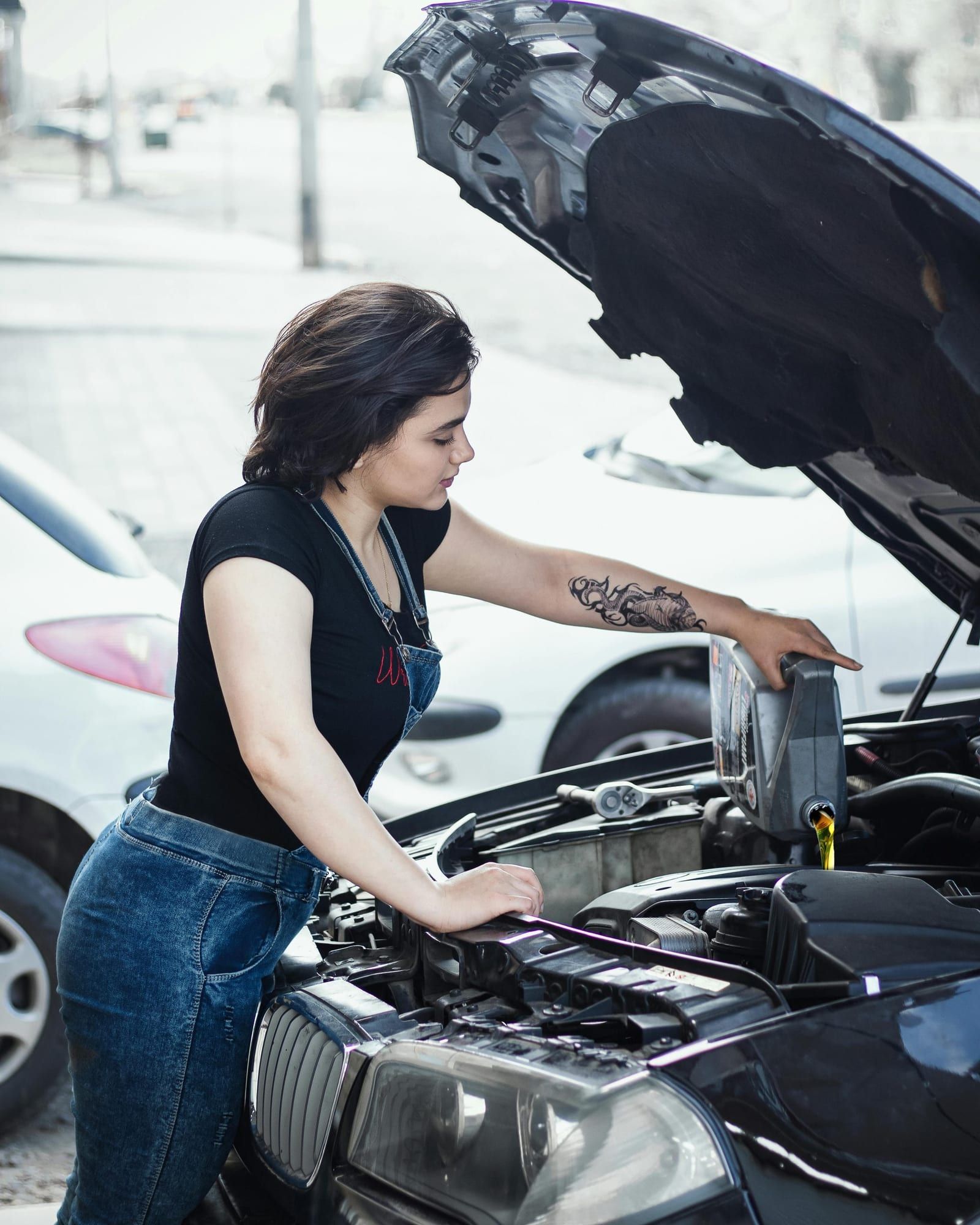
Changing your engine oil is one of the most critical tasks you can do for your car, but it’s also one of the easiest. You should check your oil level regularly—at least once a month. If the oil looks dirty or is low, it’s time for an oil change. While many quick-lube shops will do it for you, changing your oil yourself is straightforward with a little practice. All you need is the right type of oil, a filter, a wrench, and a drain pan. Once you’re comfortable with the process, you’ll not only save money, but you’ll also gain a sense of satisfaction that comes from doing it yourself. Even if you’re not comfortable change the oil yourself, you can still purchase the oil, oil filter and washers; and have an oil changing shop do the actual oil change. DIY Maintenance Frequency: Every 5,000-7,500 miles or as recommended by your vehicle’s manual.

2. Replace Windshield Wipers

Windshield wipers are a simple yet crucial safety feature of your car. Wipers that smear or leave streaks on the windshield reduce your visibility and compromise safety. Replacing them is incredibly easy and can usually be done without any tools. Simply follow the instructions in your car’s manual or on the wiper package itself. DIY Maintenance Frequency: Every 6-12 months, or when performance diminishes.
3. Top Off Fluids (Coolant, Washer Fluid, Brake Fluid)
Fluids play an essential role in keeping your car running smoothly. Topping off your windshield washer fluid, coolant, and brake fluid can easily be done by referring to your vehicle’s manual (or your About My Ride panel in MyRide901) to locate the reservoirs. Be sure to use the correct type of fluid for each. DIY Maintenance Frequency: Check monthly, especially before long trips.

4. Replace Air Filters

Air filters prevent dust, dirt, and debris from entering your engine and cabin. When the air filters are clogged, they reduce your engine’s efficiency and decrease air quality inside your car. Replacing the air filters is an easy task that can be done with just a screwdriver. DIY Maintenance Frequency: Engine air filter – every 12,000-15,000 miles; Cabin air filter – every 15,000-25,000 miles.
5. Check Tire Pressure and Rotate Tires
Proper tire maintenance is essential for ensuring safety, improving gas mileage, and extending the life of your tires. Checking your tire pressure can be done using a simple tire gauge, and many gas stations even offer air pumps to add air if needed. Rotating your tires is another relatively simple task that can extend the life of your tires and ensure even wear. DIY Maintenance Frequency: Check tire pressure monthly. Rotate tires every 6,000-8,000 miles.

6. Replace Battery Terminals

Corroded battery terminals can cause starting issues or electrical problems in your car. Cleaning or replacing these terminals is simple and can prevent a lot of headaches down the road. A basic terminal cleaning kit or a replacement terminal clamp can be purchased at any auto parts store. DIY Maintenance Frequency: Check every six months or as needed.
7. Replace Spark Plugs
Spark plugs are essential for igniting the fuel in your engine. If your car feels sluggish or isn’t accelerating as it should, old spark plugs could be the culprit. Replacing them is a relatively easy job, requiring only a socket wrench and the correct spark plug for your vehicle. This task might feel more advanced than the others, but with YouTube tutorials and a little patience, you’ll find it’s not that difficult. DIY Maintenance Frequency: Every 30,000-50,000 miles or as recommended by your car’s manufacturer.

DIY Maintenance Schedule
Maintenance Task
Frequency
Best Time of Year
Check and change engine oil
Every 5,000-7,500 miles
Year-round
Replace windshield wipers
Every 6-12 months
Spring and Fall
Top off fluids (coolant, brake, washer)
Monthly
Year-round
Replace air filters (engine/cabin)
Every 12,000-15,000 miles (engine), 15,000-25,000 miles (cabin)
Year-round
Check tire pressure
Monthly
Year-round
Rotate tires
Every 6,000-8,000 miles
Year-round
Replace battery terminals
Every 6 months
Year-round
Replace spark plugs
Every 30,000-50,000 miles
Year-round
The MyRide901 Advantage for DIY Maintenance

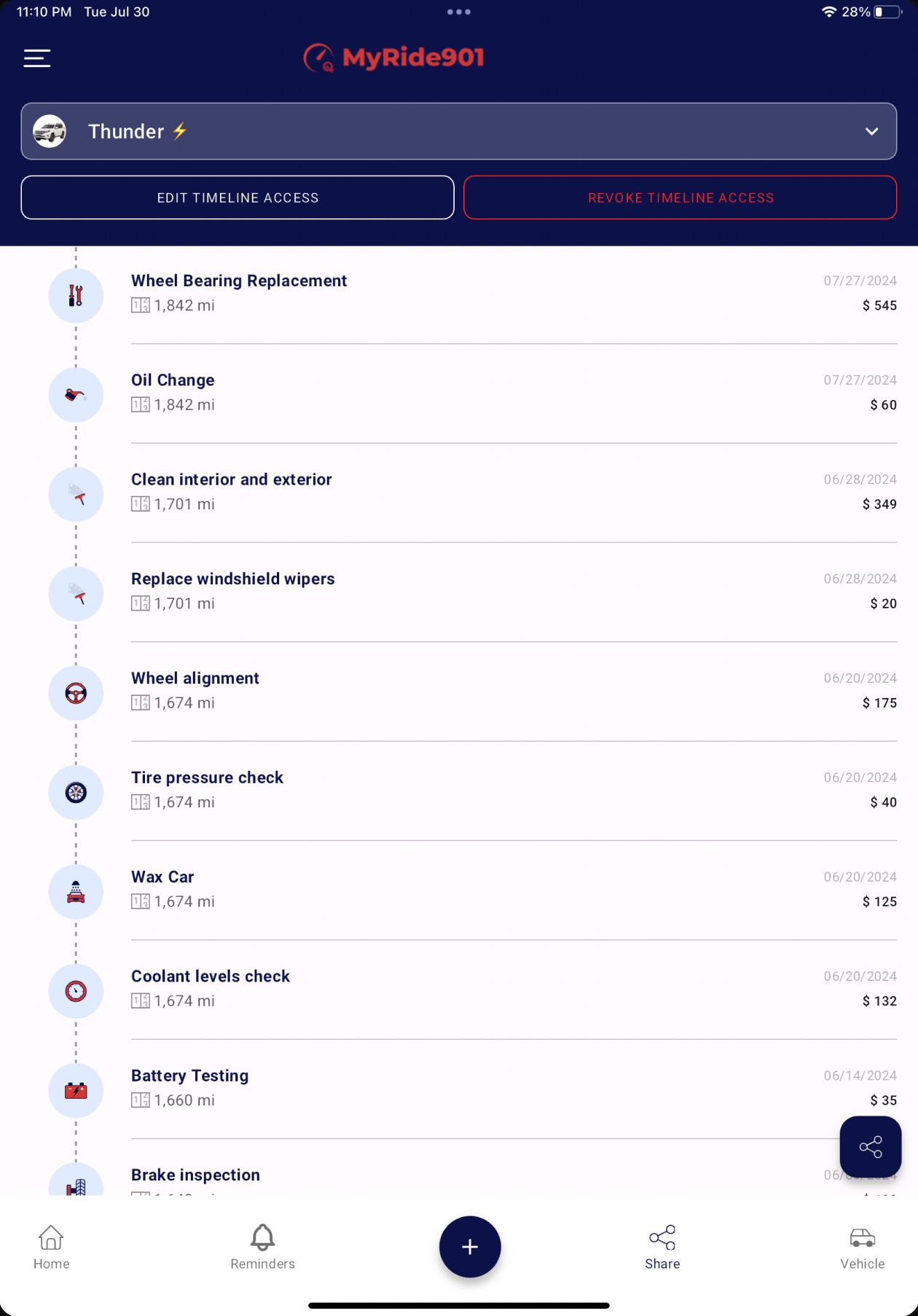
Performing regular DIY maintenance helps to extend the life of your vehicle and reduce costly repairs down the road. But how do you keep track of all the work you’ve done? This is where MyRide901 comes in. Using MyRide901, you can log every DIY service you perform as a DIY service event on your vehicle’s timeline. By doing this, you not only keep your vehicle’s service record up to date, but you also provide your mechanic with a complete picture of all the work that’s been done when your car is in for its next service appointment. This helps your mechanic better understand your vehicle’s condition, and, in turn, can help you avoid unnecessary repairs. So, if you’re not already using MyRide901, now is the perfect time to download the app and start tracking your vehicle’s DIY maintenance. Taking charge of your car’s upkeep has never been easier—and you’ll be saving time, money, and adding value to your car at the same time! By handling these simple tasks, you’re not only ensuring that your vehicle stays in great condition, but you’re also making the most of tools like MyRide901 to maintain a clear, comprehensive service history. And who knows? You might even enjoy the process of becoming more hands-on with your car!