

From uncovering red flags to prioritizing value and maintenance, Terry has seen it all. He’s the founder of AskTerry, a vehicle service consulting company that reviews and advises vehicle owners on repair estimates to help reduce repair costs.
In this Q&A, he shares practical advice, insider tips, and lessons learned from years of helping customers.
Q: Can you share a bit about your background? What led you to open your auto shop, and what kept you passionate about the business for 22 years?
My background is “born and raised at my Dads shop.” From riding my bike to the shop after school every day and hanging out with the techs to servicing A/C systems through the summer months, my life was pretty much “my dads shop.”
After dropping out of high school, spending a few years in the food service business, I came back full time to give leadership running the shop. A few years later, we moved into a purchase agreement with my dad and bought the business.
We grew it from 6 employees, 4 hoists and a 4,000 square foot building to 15 hoists, 20 employees and a 20,000 square foot building that we purchased.
After 22 years, the opportunity to sell the business presented itself and we sold it. The auto repair business is in my bones and blood from childhood.
Q: What’s the first thing someone should look for when inspecting a used car?
Look for signs of rust, dents, and mismatched paint.
Check tire wear and alignment.
Inspect the interior for seat, dashboard, and electrical component wear.
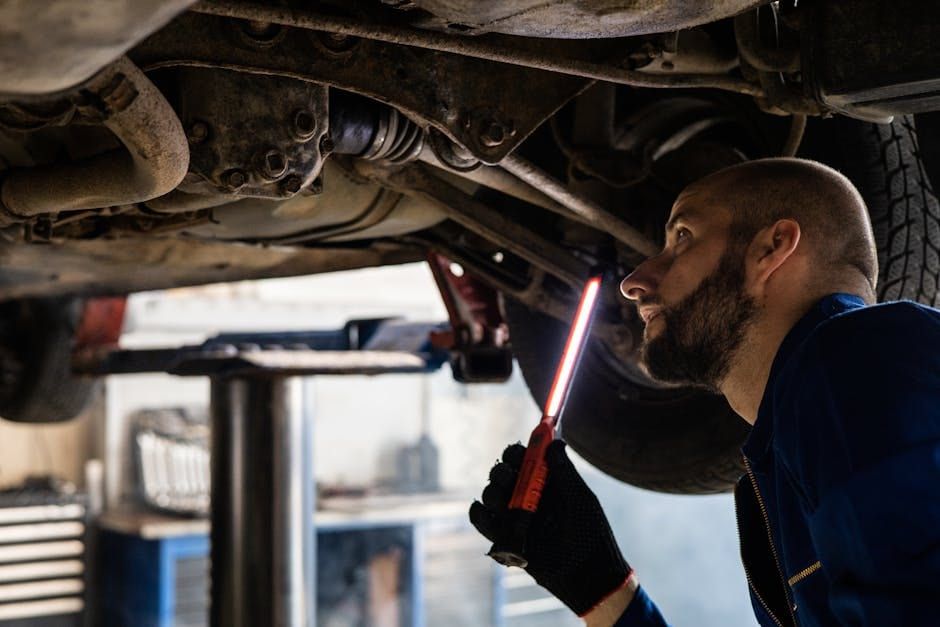
Pop the hood and check for leaks, unusual smells, or worn belts.
Check fluid levels and colors of oil, transmission fluid, brake fluid and coolant.
Take it for a test drive:
- Are there any lights illuminated?
- Test the brakes, acceleration, steering responsiveness, and suspension when going over bumps.
- Listen for unusual noises like clunks, grinding or squeaks.
- Listen for engine noise and check for smoke from the exhaust.
Q: Are there any red flags that buyers should immediately walk away from when considering a used vehicle?
Yes, there are. I would suggest seven:
- Salvage, Rebuilt, or Flood Title — Indicates the car has been in a major accident or flood and may have structural or electrical issues.
- Structural Damage
- Engine or Transmission Troubles — Loud knocking or ticking sounds could indicate serious engine issues. Slipping or hard shifting transmission could indicate possible transmission failure.
- Flood Damage — Look around the carpets and electrical components for anything that would suggest the car was submerged.
- Seller Red Flags — Inability to provide a clean title or reluctance to share a history report. If the seller refuses an independent mechanic’s inspection, it’s a major warning.
- Significant Rust or Corrosion
- Suspiciously Low Price — Extremely low prices may hide underlying issues like hidden damage or scams.
Q: How important is a vehicle’s maintenance history when buying used, and what’s the best way to verify it?
Maintenance history is critical when buying a used car because it provides insight into how well the car has been cared for and can help predict future reliability and repair costs. I would suggest five ways to verify maintenance history of a vehicle.
- Request Service Records from the Seller
- Check with Dealerships or Repair Shops
- Use a Vehicle History Report
- Check the Owner’s Manual
- Get a Pre-Purchase Inspection
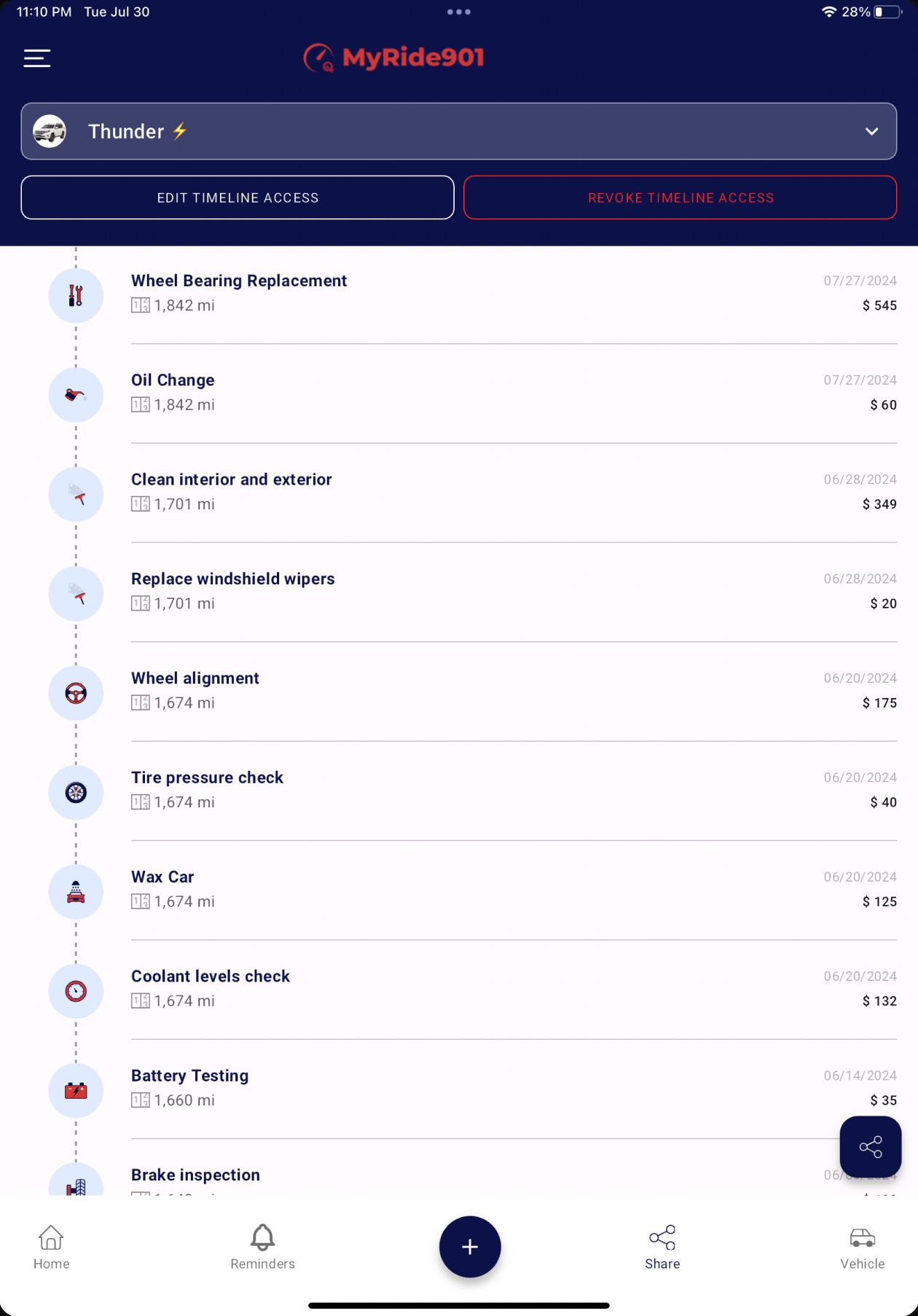
(Ed Note – We have a 6th one: 6. Ask the seller to share the MyRide901 Vehicle Service History.)
Q: In your experience, what are some common mistakes buyers make when purchasing a used car?
- Not Getting a Pre-Purchase Inspection (PPI)
- Skipping a Vehicle History Report
- Focusing Only on Price
- Not Performing a Comprehensive Test Drive
Q: How can a buyer avoid getting stuck with hidden issues, like engine or transmission problems?
By paying attention to the questions and answers in this article.
Q: What are three essential checks or tests every buyer should do before committing to a used car?
- Vehicle History Report Review
- Comprehensive Test Drive
- Pre-Purchase Inspection (PPI)
Q: If you were buying a used car today, what would you prioritize in your search? (e.g., mileage, model, condition)
I personally have always purchased high mileage vehicles that have been taken care of really well.
Mileage is the number one reducer of price and you can use this to get quality vehicles at a significantly reduced cost. A vehicle with high mileage that’s been taken care of should last a long, long time if maintenance is continued and the vehicle is taken care of.
Examples:
- A 2013 Chevy Half-Ton pickup with 115,000 miles on it. Today, it has 254,000 miles and is still running fine. The only major issue was a transmission [failure] at 225,000 miles.
- A 2015 Chevy Volt purchased at 73,000 miles. Today, it has 165,000 miles and the only item repaired to date is replacing the rear brakes.
I stay away from the BMW’s, Audi’s, Mercedes, Land Rovers and Volvo’s. These vehicles start costing major dollars for repairs once they get to 100,000 miles and up. Plan on a minimum of $1500.00 once at a repair shop. (Ed. note – This does not necessarily reflect the opinion of MyRide901.)
Q: Do you have a favorite personal story about helping a customer choose or maintain a great used vehicle?
I don’t have a favorite personal story, but when we had our repair shop, one of the best marketing tools was to advertise how low our average repair order was. We prided ourselves on the fact that we educated our customers on what their vehicles did not need and what they had for critical repair issues.
The difference today is, [many] shops drive to have the highest average repair order possible. From the technician, to the service writer, everyone involved with the sales is paid on a commission basis. This obviously leads to the consumer authorizing way too many repairs.
This is where Ask Terry can help. We have a free service to the consumer to help even to the point of speaking to the shop on their behalf.
Q: If you could give one piece of advice to someone buying a used car, what would it be?
My dad always said, “Son, understand that a vehicle is the 2nd biggest investment a person will make and in many ways is an extension of their personality.” Because of that, if you are looking to purchase a new used vehicle, do your due-diligence and follow this method.
A huge thank-you to Terry for taking the time to share his years of experience and practical advice with us. If you have more questions or need additional guidance, be sure to check out AskTerry, where you can get honest advice straight from a trusted expert. And remember, keeping your car’s service history up to date with MyRide901 can make a world of difference—whether you’re buying, selling, or maintaining your vehicle.